A spongy brake pedal is one of the most serious warning signs your vehicle can give you. If the brake pedal feels soft, sinks farther than usual, or requires extra pressure to stop your car, your braking system may not be operating safely.
If you’re asking, «Why does my brake pedal feel spongy?», the problem often involves air in the brake lines, contaminated brake fluid, or a failing hydraulic component. Ignoring these symptoms can increase stopping distances, reduce braking performance, and put you and your passengers at risk.
Here’s everything you need to know about why your brakes feel soft and the three most common causes.
What Does a Spongy Brake Pedal Mean?
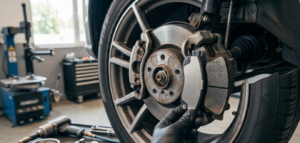
Your vehicle’s braking system relies on hydraulic pressure to operate safely. When you press the brake pedal, brake fluid transfers force from the master cylinder to the brake calipers, allowing the brake pads to clamp securely against the brake rotors.
A properly functioning brake pedal should feel:
- Firm
- Responsive
- Consistent
- Easy to control
If the pedal feels soft, spongy, or travels farther than normal before engaging the brakes, hydraulic pressure is being lost somewhere within the braking system.
3 Reasons Your Brake Pedal Feels Soft
1. Air in the Brake Lines
The most common cause of a spongy brake pedal is air trapped inside the brake lines.
Unlike brake fluid, air compresses under pressure. When you press the brake pedal, the trapped air compresses first, preventing full hydraulic pressure from reaching the brake calipers.
Common symptoms include:
- Soft or spongy brake pedal
- Longer stopping distances
- Brake pedal feels firmer after pumping it several times
- Reduced braking confidence
A professional brake fluid bleed removes trapped air and restores normal braking performance.
2. Old or Contaminated Brake Fluid
Brake fluid naturally absorbs moisture over time, even in a sealed braking system.
As water contamination increases, the fluid becomes less effective at transmitting hydraulic pressure and more likely to boil under heavy braking conditions.
Signs of contaminated brake fluid include:
- Soft brake pedal
- Reduced braking performance
- Dark or dirty brake fluid
- Brake fade during repeated braking
Most vehicle manufacturers recommend replacing brake fluid every 2 to 3 years, although service intervals vary depending on the vehicle and driving conditions.
3. Failing Master Cylinder
The master cylinder is responsible for generating the hydraulic pressure needed for your brakes to function properly.
If the internal seals begin to wear, brake fluid can bypass the seals instead of building pressure throughout the braking system.
Common warning signs include:
- Brake pedal slowly sinks toward the floor
- Inconsistent braking performance
- Brake warning light illuminated
- Brake fluid leaks near the master cylinder
Because the master cylinder directly affects your ability to stop the vehicle, it should be repaired immediately if it’s failing.
Other Possible Causes
Although these are the most common reasons, a soft brake pedal may also be caused by:
- Brake fluid leaks
- Worn or damaged brake hoses
- Faulty brake calipers
- ABS hydraulic control module problems
- Improperly adjusted rear drum brakes on older vehicles
A complete brake inspection is the safest way to determine the exact cause.
Is It Safe to Drive With a Spongy Brake Pedal?
No.
A soft brake pedal usually indicates that your braking system cannot generate the hydraulic pressure necessary for safe stopping.
Continuing to drive can lead to:
- Longer stopping distances
- Reduced braking power
- Complete brake failure
- Increased risk of an accident
If your brake pedal suddenly feels soft or unusually easy to press, schedule a brake inspection immediately.
How Mechanics Diagnose a Soft Brake Pedal
A professional brake inspection typically includes checking:
- Brake fluid level and condition
- Brake lines for leaks
- Master cylinder operation
- Brake calipers
- Brake hoses
- Brake pads and rotors
- ABS components (if equipped)
Accurate diagnosis ensures the underlying problem is repaired before it becomes more serious.
How to Prevent Brake Problems
Routine brake maintenance is the best way to keep your braking system operating safely and efficiently.
Follow these maintenance tips:
- Replace brake fluid at the manufacturer’s recommended interval.
- Have your brakes inspected during routine maintenance.
- Check for brake fluid leaks.
- Replace worn brake pads before they damage the rotors.
- Address brake warning lights immediately.
- Never ignore changes in brake pedal feel.
These preventive measures help extend the life of your braking system while improving safety on the road.
Frequently Asked Questions
Why does my brake pedal feel soft after replacing brake pads?
Air may have entered the brake system during the repair, or the brakes may need to be properly bled or adjusted. A professional inspection can identify the exact cause.
Can low brake fluid cause a soft brake pedal?
Yes. Low brake fluid reduces hydraulic pressure and is one of the most common causes of a soft or spongy brake pedal.
Why does pumping the brake pedal make it feel firmer?
Pumping the pedal temporarily builds hydraulic pressure or compresses trapped air, but it does not solve the underlying problem.
How often should brake fluid be replaced?
Most manufacturers recommend replacing brake fluid every 2 to 3 years, although you should always follow your vehicle’s maintenance schedule.
How much does it cost to fix a spongy brake pedal?
Repair costs depend on the cause. A brake fluid flush and bleed is generally affordable, while replacing a master cylinder or repairing hydraulic leaks is typically more expensive.
A spongy brake pedal is never something you should ignore. Whether the problem is air in the brake lines, contaminated brake fluid, or a failing master cylinder, addressing it early helps restore safe braking performance, prevents more expensive repairs, and keeps you in control of your vehicle. If your brake pedal feels soft or your car isn’t stopping as confidently as it should, schedule a professional brake inspection as soon as possible.
When it comes to keeping your car reliable and safe in Miami, FlashLube Miami Gardens is your go-to choice for fast, trustworthy service. Explore all our services designed to save you time and hassle, and take advantage of our exclusive coupons to keep your car running smoothly without breaking the budget. Don’t wait—protect your vehicle and drive with confidence every day!