If you rely on your car daily for commuting, errands, or family trips, brake pad maintenance is essential for safety and performance. Knowing how long brake pads last and what affects their lifespan can save you money and prevent unexpected breakdowns. On average, most brake pads last around 50,000 miles, but this number can vary significantly depending on several factors.
Here’s a detailed guide to help you understand your brake pads, recognize warning signs, and make the right maintenance decisions.
How Brake Pads Work
Brake pads are a crucial component of your vehicle’s braking system. They create friction against the brake rotors to slow down or stop your car. Over time, the friction material wears down, reducing braking efficiency.
Worn-out brake pads can lead to:
- Reduced stopping power
- Squealing or grinding noises
- Damage to brake rotors
- Unsafe driving conditions
Regular inspections and timely replacements are key to avoiding costly repairs and keeping your family safe on the road.
5 Factors That Affect Brake Pad Lifespan
The lifespan of brake pads isn’t fixed—it depends on several factors. Here are the five most important:
1. Driving Habits
Aggressive driving, frequent hard braking, and stop-and-go traffic wear out brake pads faster.
- City drivers who brake frequently may replace pads every 25,000–35,000 miles.
- Highway drivers with gentle braking may see pads last closer to 50,000 miles or more.
2. Brake Pad Material
Brake pads come in different materials:
- Organic: Softer, quieter, but wear out faster (25,000–40,000 miles).
- Semi-metallic: Balanced durability and performance (40,000–60,000 miles).
- Ceramic: Long-lasting, quieter, and resistant to heat (50,000–70,000 miles).
Choosing the right material for your driving style can significantly impact lifespan.
3. Vehicle Type and Weight
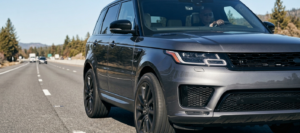
Heavier vehicles or those towing trailers put more stress on brake pads. Larger vehicles like SUVs and trucks may wear out pads faster than small cars, even with careful driving.
4. Road Conditions
Driving in hilly or mountainous areas, or frequently stopping in traffic, accelerates wear. Salted roads or dusty environments can also affect the friction material and reduce lifespan.
5. Maintenance and Inspections
Regular brake inspections allow mechanics to spot early signs of wear, such as:
- Uneven pad thickness
- Glazing or overheating
- Squealing or grinding noises
Proper maintenance and timely replacement extend both brake pad and rotor life.
Signs It’s Time to Replace Your Brake Pads
Even if your pads haven’t reached 50,000 miles, watch for these warning signs:
- Squealing, screeching, or grinding noises
- Reduced braking performance
- Brake pedal feels soft or spongy
- Vibrations when braking
- Indicator light on your dashboard
Replacing brake pads at the right time protects your safety and prevents damage to more expensive components like rotors or calipers.
How to Extend the Life of Your Brake Pads
- Drive smoothly and avoid sudden stops whenever possible
- Avoid carrying excessive weight regularly
- Rotate your tires and maintain proper alignment
- Schedule routine brake inspections
These practices help maximize brake pad life and save money in the long run.
Average Brake Pad Lifespan
- City driving: 25,000–40,000 miles
- Mixed driving: 40,000–50,000 miles
- Highway driving: Up to 70,000 miles
Keep in mind that environmental conditions, brake pad quality, and driving style will influence these numbers.
Knowing how long brake pads last and recognizing the signs of wear is essential for your safety and your wallet. Most brake pads have a typical lifespan of 50,000 miles, but driving habits, vehicle type, and material can shorten or extend that lifespan.When it comes to keeping your car reliable and safe in Miami, FlashLube Miami Gardens is your go-to choice for fast, trustworthy service. Explore all our services designed to save you time and hassle, and take advantage of our exclusive coupons to keep your car running smoothly without breaking the budget. Don’t wait—protect your vehicle and drive with confidence every day!